
Call:
 Send Inquiry

 Send Inquiry
Digital Rock Rebound Hammer
Price 330000 INR/ Unit
MOQ : 1 Unit
Digital Rock Rebound Hammer Specification
- Grip Type
- Smooth cylindrical grip
- Surface Finish
- Matte finish
- Power Source
- Battery (for LCD)
- Function
- Non-destructive concrete test
- Tensile Strength
- 70 N/mm2
- Features
- LCD display, calibration block included, complies with IS 13311
- Tool Type
- Mechanical Rebound Hammer
- Material
- Stainless Steel
- Handle Material
- Stainless Steel
- Shape
- Cylindrical
- Dimension (L*W*H)
- Approx. 280 x 55 x 55 mm
- Portable
- Yes
- Display Type
- LCD
- Standard
- IS 13311
- Impact Energy
- 2.207 J
- Body Length
- Approx. 28 cm
- Test Application
- Concrete hardness
- Color
- Turquoise blue
- Digital Readout
- Available
- Type
- Digital hammer
- Weight
- Lightweight design
- Usage Area
- Lab
- Brand Name
- Henobix Automation
- Calibration Block
- Included
Digital Rock Rebound Hammer Trade Information
- Minimum Order Quantity
- 1 Unit
- Payment Terms
- Cash in Advance (CID)
- Supply Ability
- 10 Units Per Month
- Delivery Time
- 5-7 Days
- Main Domestic Market
- All India
About Digital Rock Rebound Hammer
Introducing the Henobix Automation Digital Rock Rebound Hammer-a top-tier, must-have instrument for enlightened concrete testing. This premier, stainless steel digital hammer features an impact energy of 2.207 J and a stellar LCD display for precise digital readouts. It includes a calibration block for trusted accuracy and complies with the IS 13311 standard. With its lightweight, portable design and turquoise blue matte finish, this cylindrical tool is engineered for non-destructive testing, making it ideal for labs requiring fast, reliable, and consistent concrete hardness assessment.
Commercial Applications & Key Features
The Digital Rock Rebound Hammer from Henobix Automation is widely used in commercial laboratories and construction sites for reliable concrete hardness valuations. This new, portable instrument features a premier LCD display and smooth cylindrical grip, ensuring comfortable handling during regular use. Used by engineers, quality controllers, and technicians, benefits include its non-destructive testing process, stainless steel build, and compliance with the latest IS 13311 standards.
Delivery, Valuation, & Export Information
Henobix Automation ensures timely delivery of the Digital Rock Rebound Hammer, enhancing its market value among industry professionals. Delivery times vary based on location; however, prompt shipping across India and to major export markets is guaranteed. Sample units are available for evaluation-helping clients assess performance and suitability for commercial and laboratory applications. Trusted by dealers and traders nationwide, this product adds stellar value to concrete testing operations.
FAQ's of Digital Rock Rebound Hammer:
Q: How does the Digital Rock Rebound Hammer operate for concrete hardness testing?
A: The Digital Rock Rebound Hammer operates by releasing a spring-loaded mass against the concrete surface, providing a digital readout of surface hardness on the LCD display. This non-destructive testing process helps in evaluating concrete strength without damaging the structure.Q: What features set the Henobix Automation hammer apart from traditional models?
A: This model offers a premier LCD digital display, lightweight stainless steel construction, smooth cylindrical grip, and comes with a calibration block. Its compliance with IS 13311 ensures industry-standard results and enhanced user experience.Q: When should this tool be used during a construction project?
A: The Digital Rock Rebound Hammer should be used during quality control phases, construction assessments, or maintenance checks to determine the consistency and hardness of installed concrete without causing structural damage.Q: Where is the Digital Rock Rebound Hammer most commonly employed?
A: It is most commonly used in laboratory settings, construction sites, and quality assurance departments by engineers, contractors, and technicians who require rapid, non-destructive concrete testing.Q: What is the process for calibrating the digital hammer?
A: Calibration involves using the included calibration block according to the manufacturer's instructions. This ensures the instrument provides accurate readings before field or lab testing.Q: What are the main benefits of using this digital hammer for testing?
A: Benefits include precise digital readouts, quick test turnaround, non-destructive evaluation methods, portability, and compliance with established testing standards, making it a must-have for modern concrete inspection.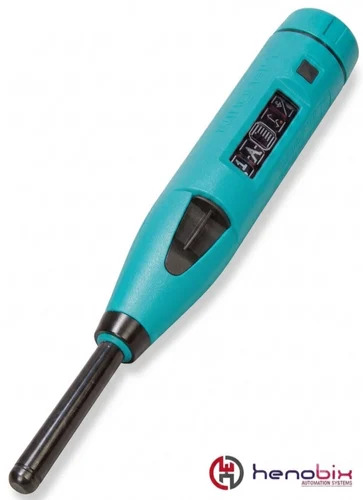

Contact Details
HENOBIX AUTOMATION
GST : 07BMTPG9545C1ZQ
- 143-A, Sangam Vihar, Dharampura, Najafgarh, New Delhi - 110043, India
- Phone :--8750865452
 Send Inquiry

Developed and Managed by Infocom Network Private Limited.


